



LIMK2
LIM kinase 2 (LIMK2) is a serine/threonine and tyrosine kinase that regulates actin cytoskeleton dynamics by controlling cofilin activity[1][2]. Mechanistically, LIMK2 participates in the Rho family GTPase signaling pathways, influencing actin filament turnover, stress fiber formation, and cell migration[1][2]. LIMK2 expression affects cell cycle progression, neuronal differentiation, and tumorigenesis, with dysregulation contributing to cancer metastasis, chemotherapy resistance, and neurofibromatosis-related pathologies[3][1][4][5]. Compared with its isoform LIMK1, LIMK2 exhibits distinct subcellular localization, nuclear shuttling controlled by PKC-dependent phosphorylation at Ser-283, and specific roles in cofilin regulation that limit functional redundancy[6]. LIMK2 also differs from LIMK2-1, a variant containing a protein phosphatase 1 (PP1) inhibitory domain, which modulates actin dynamics without directly phosphorylating cofilin[7]. In experimental models, selective LIMK2 inhibitors such as T56-LIMKi reduce tumor growth, impair actin stress-fiber formation, and suppress cell migration, highlighting its utility as a pharmacological target[4]. LIMK2 inhibition has demonstrated therapeutic potential in pancreatic cancer, glioma, and NF1-deficient cell models, emphasizing the importance of isoform-selective approaches for experimental and translational research[4][8][9]. These findings collectively underscore LIMK2’s unique regulatory function within the LIM kinase family and its value for targeted studies in cytoskeletal and cancer biology.
References:
- [1]. Vallée B, et al. LIMK2-1, a new isoform of human LIMK2, regulates actin cytoskeleton remodeling via a different signaling pathway than that of its two homologs, LIMK2a and LIMK2b. Biochem J. 2018 Dec 6;475(23):3745-3761. [Content Brief]
- [2]. Zhang Y, et al. Imbalanced LIMK1 and LIMK2 expression leads to human colorectal cancer progression and metastasis via promoting β-catenin nuclear translocation. Cell Death Dis. 2018 Jul 3;9(7):749. [Content Brief]
- [3]. Villalonga E, et al. LIM Kinases, LIMK1 and LIMK2, Are Crucial Node Actors of the Cell Fate: Molecular to Pathological Features. Cells. 2023 Mar 4;12(5):805. [Content Brief]
- [4]. Rak R, et al. Targeting LIM kinase in cancer and neurofibromatosis. Cell Cycle. 2014;13(9):1360-1. [Content Brief]
- [5]. Bénédetti H, et al. LIM Kinases: From Molecular to Pathological Features. Cells. 2023 Jun 16;12(12):1649. [Content Brief]
- [6]. Collins R, et al. Comparative Analysis of Small-Molecule LIMK1/2 Inhibitors: Chemical Synthesis, Biochemistry, and Cellular Activity. J Med Chem. 2022 Oct 27;65(20):13705-13713. [Content Brief]
- [7]. Berrou J, et al. Preclinical Evaluation of a Novel Small Molecule Inhibitor of LIM Kinases (LIMK) CEL_Amide in Philadelphia-Chromosome Positive (BCR::ABL+) Acute Lymphoblastic Leukemia (ALL). J Clin Med. 2022 Nov 15;11(22):6761. [Content Brief]
- [8]. Chen J, et al. Suppression of LIM Kinase 1 and LIM Kinase 2 Limits Glioblastoma Invasion. Cancer Res. 2020 Jan 1;80(1):69-78. [Content Brief]
- [9]. Goyal P, et al. Inhibition of nuclear import of LIMK2 in endothelial cells by protein kinase C-dependent phosphorylation at Ser-283. J Biol Chem. 2005 Jul 29;280(30):27569-77. [Content Brief]
All Product Categories
-
LIMK2 Related Products (16)
Related Products (16)

- 1
-
TH-257
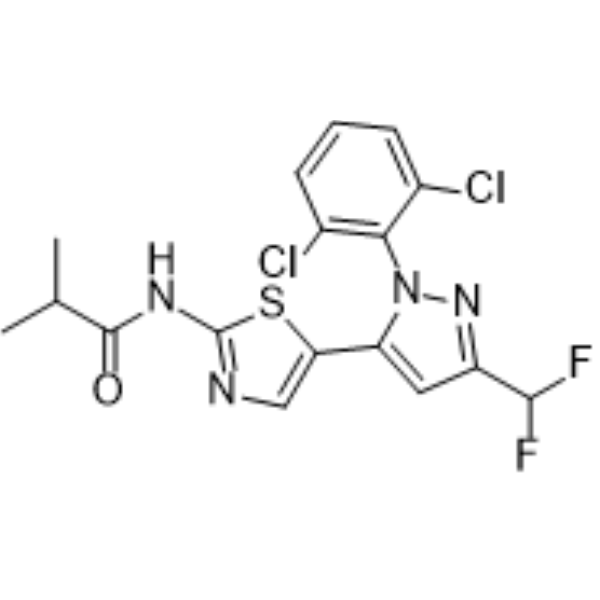
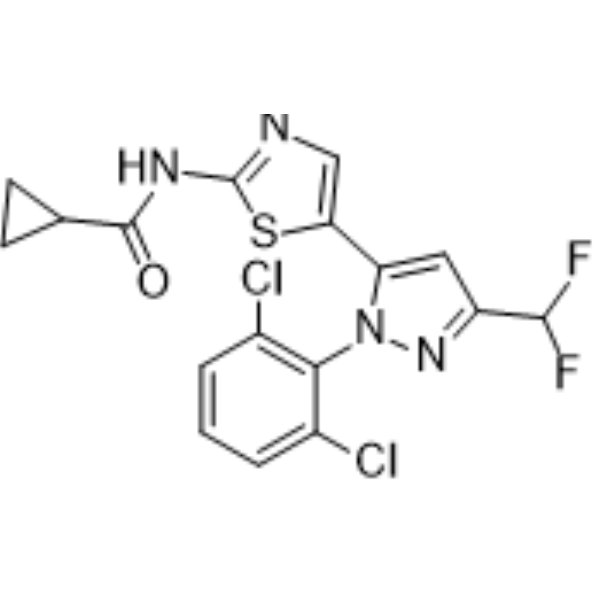
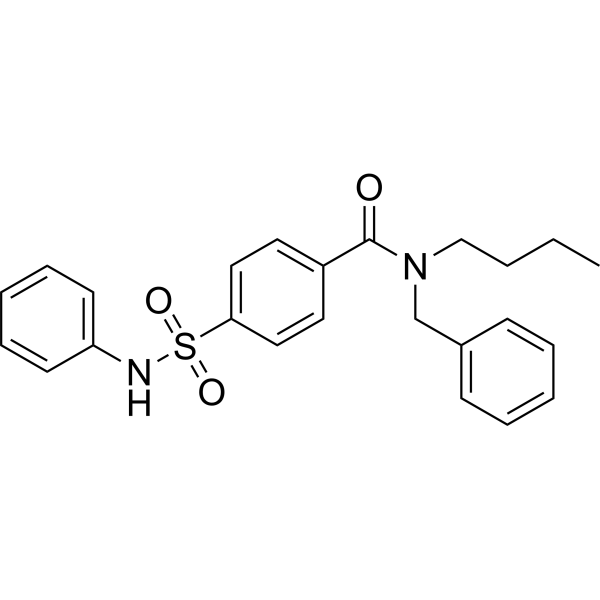 0 ImagesTH-257 is a potent inhibitor of LIMK1 and LIMK2 with IC50 values of 84 nM and 39 nM for LIMK1 and LIMK2, respectively, and it can be used as a chemical probe for LIMK1 and LIMK2. TH-257 is an allosteric inhibitor targeting a binding pocket induced by an αC and DFG-out conformation. TH257 is exquisitely selective and no significant activity against the wider kinome has been observed in the KINOMEscan assay at 1 μM.
-
DB0614
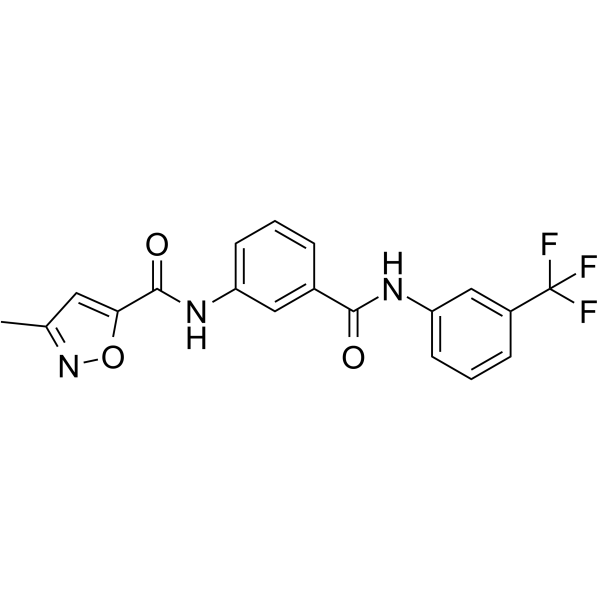
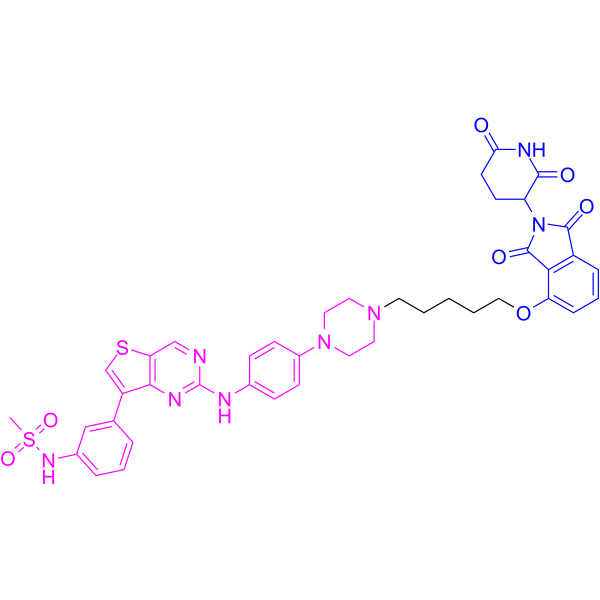 0 ImagesDB0614 is a PROTAC based on Cereblon ligand, which is a selective and potent targeted protein degrader of NEK9 inhibitor. DB0614 can degrade ABL1, ABL2, BLK, CDK11B, CDK4, CSK, EPHA3, FER, GAK, LIMK1, MAP3K20, MAP4K1, MAP4K2, MAP4K3, MAP4K5, MAPK14, MAPK7, MAPK8, MAPK9, MAPKAPK2, MAPKAPK3, NLK, PDIK1L, PTK2B, RIPK1, RPS6KA1, RPS6KA3, SIK2, SIK3, STK35, TNK2 and ULK1. DB0614 can be used for research of disease or disorder mediated by aberrant kinase activity.
-
TH251
 0 ImagesCat. No.: HY-125444CAS No.: 1622059-04-4TH251 is a LIMK1 and LIMK2 inhibitor with IC50s of 52 nM and 47 nM against LIMK1 and LIMK2, respectively. TH251 binds to inactive αC-out and DFG-out LIMK1 conformations, inhibits unphosphorylated LIMK1 and LIMK2 enzymatic activity, and exhibits unchanged potency despite PAK-mediated phosphorylation of either kinase. TH251 can be used for the research of cancers, glaucoma, and CNS diseases.
-
THNAN69
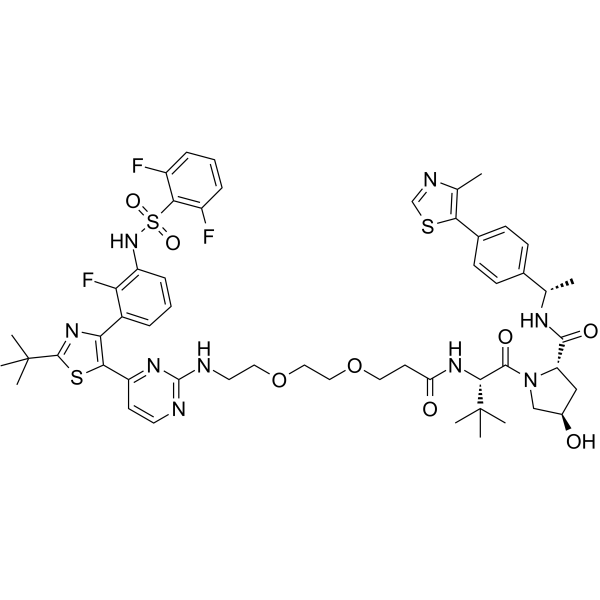
 0 ImagesCat. No.: HY-178122THNAN69 is a PROTAC degrader targeting LIMK2, which efficiently degrades ectopically expressed EGFP-LIMK2 in live HuCCT1 cells with a DC50 of 1 nM. THNAN69 induces isoform-specific ubiquitin-mediated degradation of LIMK2 by recruiting the CRBN E3 ligase, forming a stable ternary complex with LIMK2 and CRBN; this degradation process depends on the activity of cullin-RING ligase. THNAN69 does not reduce phosphorylated cofilin levels, as LIMK1 can compensate for the loss of LIMK2; it also stimulates compensatory activation of the Rho signaling pathway including PAK1/2 and ROCK1/2. THNAN69 serves as a selective chemical probe for dissecting the LIMK2 isoform-dependent biological mechanisms. THNAN69 can be used in the research of cholangiocellular carcinoma and acute lymphoblastic leukemia.
-
TH470
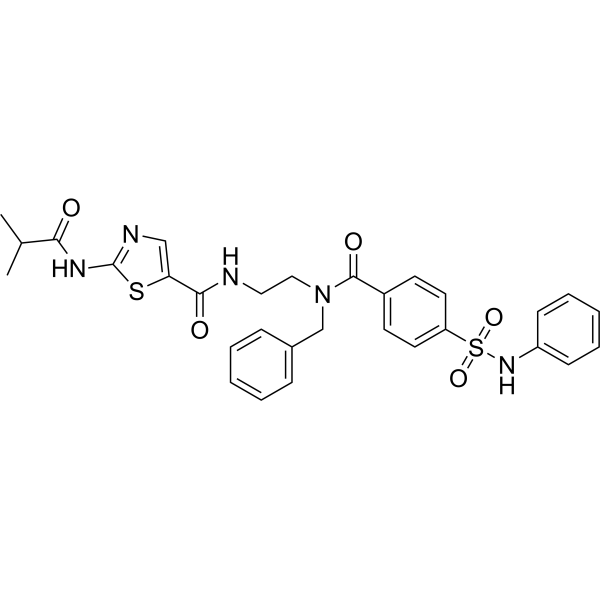 0 ImagesTH470 is a highly selective LIMK1/2 (LIM kinase1/2) inhibitor (LIMK1 IC50=9.8 nM; LIMK2 IC50=13 nM), and can be used in orphan disease research.
-
LIMK1 inhibitor BMS-4
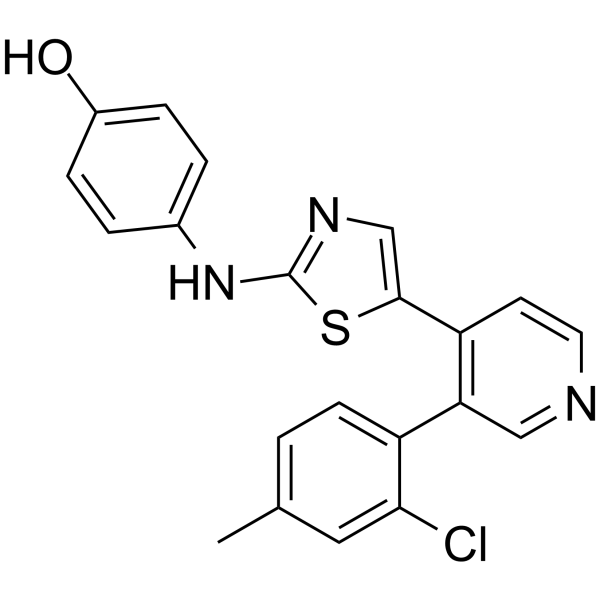
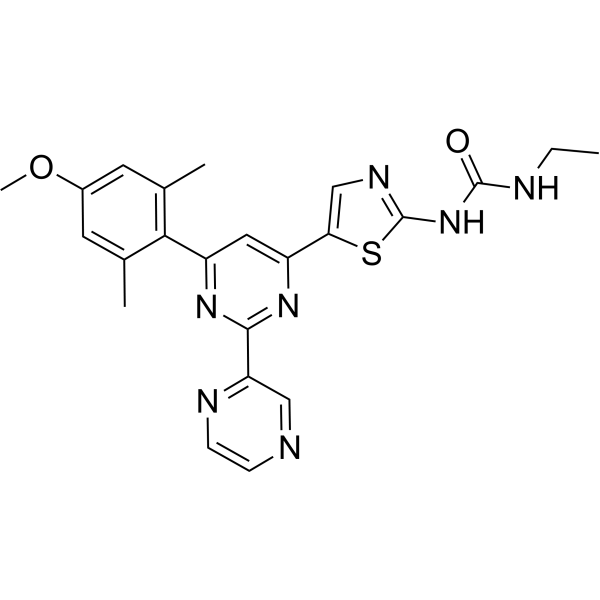 0 ImagesLIMK1 inhibitor BMS-4 is a LIM Kinase (LIMK) inhibitor targeting to LIMK1/2. LIMK1 inhibitor BMS-4 inhibits phosphorylation of cofilin, the LIMK substrate. However, LIMK1 inhibitor BMS-4 is noncytotoxic on A549 cells.
-
LIMK-IN-1
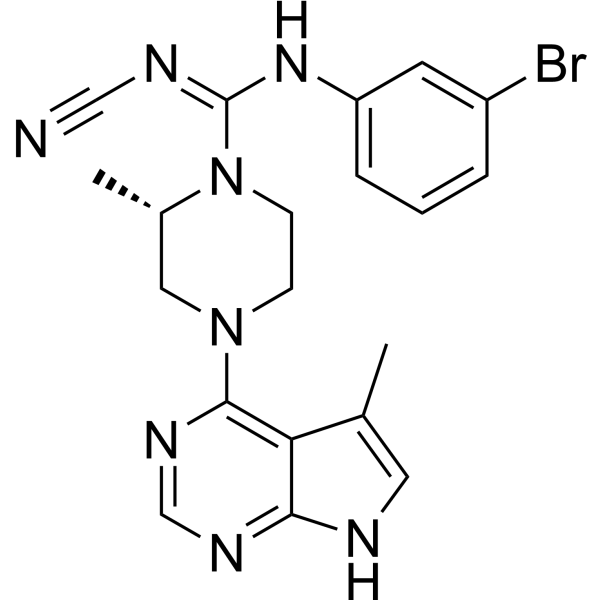 0 ImagesLIMK-IN-1 (Compound 14) is an inhibitor of LIM-Kinase (LIMK), with IC50s of 0.5 nM and 0.9 nM for LIMK1 and LIMK2, respectively. LIMK-IN-1 can be used for ocular hypertension and associated glaucoma research.
-
MDI-117740
 0 ImagesMDI-117740 is a dual LIMK1/2 inhibitor. MDI-117740 shows effective cellular target engagement with LIMK1 (pIC50 = 6.73) and LIMK2 (pIC50 = 7.18) in HEK293 cells. MDI-117740 exerts significant anti-migratory activity in MDA-MB-231 cells. MDI-117740 can be used for the study of cancers and neurodegenerative disorders.
-
SM311
 0 ImagesCat. No.: HY-174229Purity: 98.68%SM311 (Compound 10), a chemical probe, is a potent selective irreversible LIMK1 inhibitor (EC50=0.045 μM, >30-fold selective over LIMK2). SM311 blocks cofilin phosphorylation and actin cytoskeleton regulation. SM311 is promising for research of neurodegenerative diseases like Fragile X syndrome (FXS) and Alzheimer’s disease, as well as tumor invasion.
-
LIMK-IN-3
 0 ImagesCat. No.: HY-14226CAS No.: 1116570-97-8
-
LX7101 monohydrochloride
 0 ImagesCat. No.: HY-12659BCAS No.: 2319882-48-7LX7101 monohydrochloride is a potent LIM-kinase, ROCK and PKA inhibitor with IC50s of 24 nM, 1.6 nM, 10 nM and <1 nM for LIMK1, LIMK2, ROCK2 and PKA, respectively. LX7101 monohydrochloride proves significantly selective for LIMK2 with IC50 values of 4.3 nM and 32 nM for LIMK2 and LIMK1 at 2 μM ATP, respectively. LX7101 monohydrochloride has the potential for ocular hypertension and associated glaucoma research.
- 1



